Guía · Audiovisual · Intermedio · Generación
Los 5 movimientos que animan cualquier foto de producto
Cinco prompts de imagen a video, probados en Veo 3.1 Lite, que convierten una foto fija de tu producto en un comercial de 6 a 8 segundos. La regla que los une: lo que se mueve nunca es el producto.
¿Qué es esto y cómo lo uso?
Una guía paso a paso. Síguela de arriba hacia abajo desde tu celular; no descargas nada.
Objetivo
Convertir una FOTO FIJA de tu producto —una que ya tengas o una generada con IA— en un clip publicitario de 6 a 8 segundos, con cinco movimientos distintos ya probados: el push-in, gravedad cero, la atmósfera, la luz que barre y la gota. Cada uno con su prompt completo, el tipo de foto que necesita y cuándo conviene usarlo. Y con la regla que los une: lo que se mueve nunca es el producto, sino el aire, la luz, el líquido, la tela o la cámara — porque en cuanto el producto gira, la IA lo deforma y te reescribe la etiqueta.
Por qué esto importa
Ya sabes generar la foto de tu producto. El problema es que la dejas quieta, y en el feed lo que se mueve gana. Siempre.
El salto no es grabar un video: es animar la foto que ya tienes. Un prompt, un clip de 6 a 8 segundos, y esa misma imagen se convierte en un comercial.
Pero hay una trampa, y es la razón por la que a casi todo el mundo le sale mal a la primera:
Los cinco movimientos de abajo son cinco formas distintas de darle vida a la escena sin tocar el producto. Cada uno pide un tipo de foto distinta, así que lee el "cuándo usarlo" antes de elegir.
Lo que necesitas
- Una foto fija de tu producto. Puede ser una foto real o generada con IA. Es la que el modelo va a animar: todo lo que no se vea ahí, se lo inventa.
- Aire alrededor del producto. El modelo reencuadra un poco más cerca de lo que le des, aunque le pidas explícitamente que no. Si tu foto viene justa, el clip te va a recortar el producto.
- Un primer fotograma que ya sea bonito. Ese primer cuadro es la miniatura que se ve en el feed antes de que alguien dé play. Si el instante inicial no vende, el resto del clip no existe.
- Etiqueta legible y grande, si la hay. El texto chico se rompe antes que el grande (más abajo, en "Lo que hay que cuidar", está el número exacto).
1. El push-in
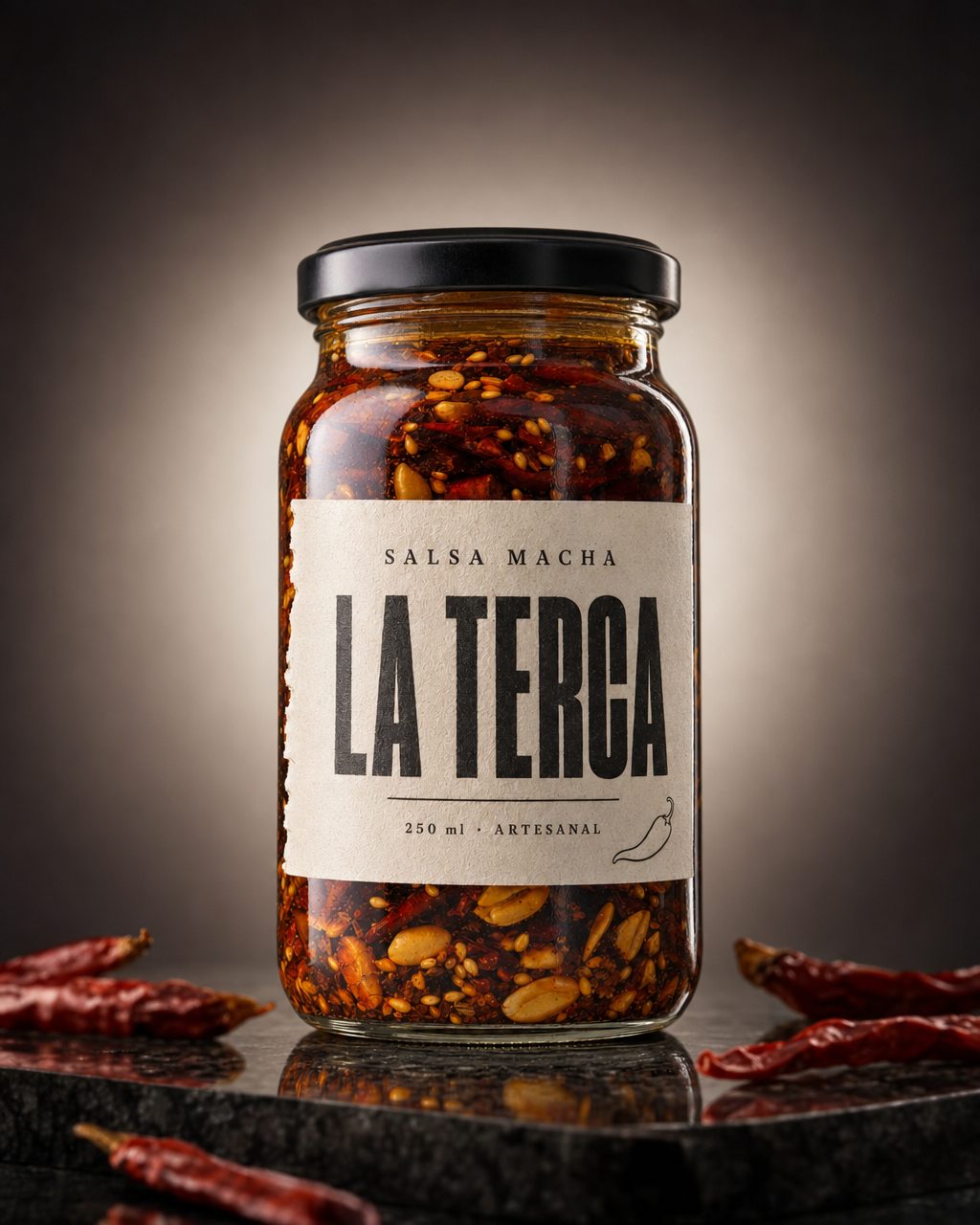
Qué hace: la cámara avanza hacia el producto tan lento que apenas se nota. El producto queda bloqueado, sin girar. Sin cortes ni paneos: solo el polvo flotando en el haz de luz.
Cuándo usarlo: es el más seguro de los cinco y funciona con cualquier foto. Si solo te vas a aprender uno, que sea este. Producto sobre fondo, producto en mano, producto en mesa: da igual. Es el que usarías para una foto de catálogo normal que quieres convertir en video sin arriesgar nada.
Ver el prompt completo ↓Plegar el prompt ↑
$ The glass jar of chili oil stays completely still and locked in place, perfectly sharp, in exactly the same position for the entire shot. It does not rotate, it does not tilt, it does not drift. The paper label stays absolutely static, crisp and identical from the first frame to the last, as if it were a still photograph.

The only movement is the camera: one single, extremely slow, continuous push-in toward the jar — a barely perceptible increase in scale across the whole shot, like a cinema dolly gliding forward a few centimetres. No cuts, no pans, no shake, no rack focus, no orbit, no zoom out.

The environment breathes very subtly: the warm pool of light behind the jar brightens and dims almost imperceptibly, and a few fine dust motes drift slowly through the beam of light above the stone. The dried chiles at the base of the jar never move.

Photorealistic commercial product cinematography, cinematic slow motion, constant exposure. No text, no captions, no subtitles, no logos or graphics anywhere in the frame.2. Gravedad cero
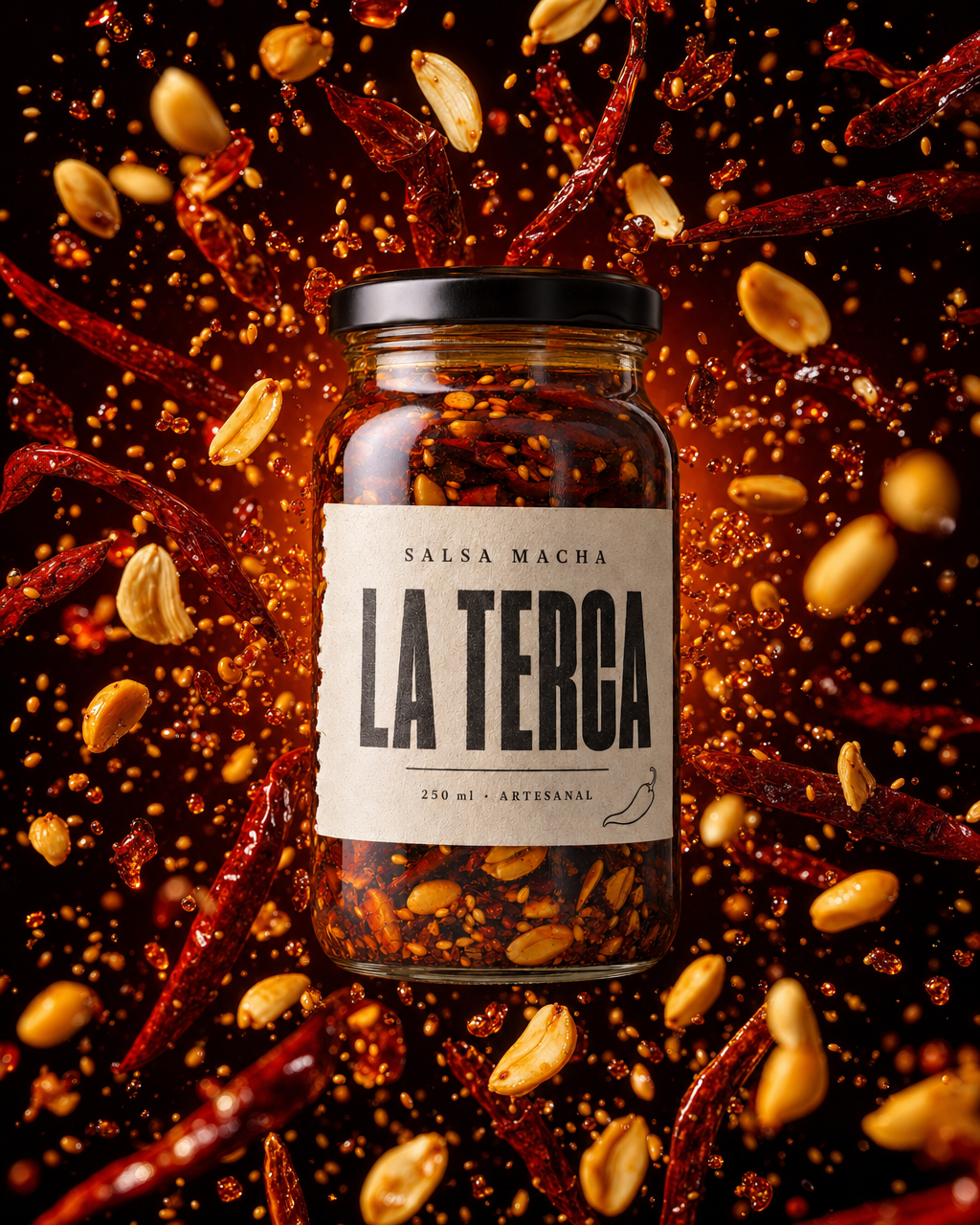
Qué hace: el producto queda congelado en el centro. Todo lo que lo rodea flota a la deriva en cámara lenta, girando suave, como si no hubiera gravedad.
Cuándo usarlo: necesita una foto que YA tenga elementos alrededor del producto — partículas, ingredientes, salpicaduras congeladas, hojas, polvo, gotas. Si tu foto es el producto solo sobre un fondo liso, este no es tu movimiento (usa el 1 o el 4). Es el ideal para comida, bebidas, suplementos y cosmética: todo lo que tenga ingredientes que enseñar.
Ver el prompt completo ↓Plegar el prompt ↑
$ The glass jar in the centre of the frame stays completely still, locked in place, perfectly sharp and in focus. It does not rotate, it does not tilt, it does not move. The paper label facing the camera stays absolutely static and unchanged throughout the entire shot: the words SALSA MACHA, the brand name LA TERCA, the thin rule, the line 250 ml · ARTESANAL and the small chili drawing must remain frozen, crisp and identical from the first frame to the last, as if the label were a still photograph.

Everything else drifts. The toasted chiles, peanut halves and sesame seeds suspended in the air around the jar float very slowly through the frame in different directions, some rising, some sinking, rotating gently as they travel, exactly as if the whole scene were happening in slow motion at very low gravity. The glossy droplets of chili oil hover and drift with them, each one holding its highlight. A faint haze of fine dust particles moves through the warm light in the background.

The camera performs one single, extremely slow, continuous push-in toward the jar — barely perceptible, no more than a very slight increase in scale across the whole shot. No cuts, no pans, no shake, no rack focus.

The lighting stays constant: the warm amber glow behind the jar breathes very slightly, as if a flame were far away, but the exposure never changes.

Photorealistic, high-speed advertising cinematography, shallow depth of field, cinematic slow motion. No text, no captions, no subtitles, no logos or graphics added anywhere in the frame.Fíjate en un detalle del prompt: la etiqueta se describe palabra por palabra —el nombre, la línea chica, el dibujito. No es relleno. Es lo que le dice al modelo qué NO puede tocar. Cambia esas palabras por las de tu etiqueta.
3. La atmósfera
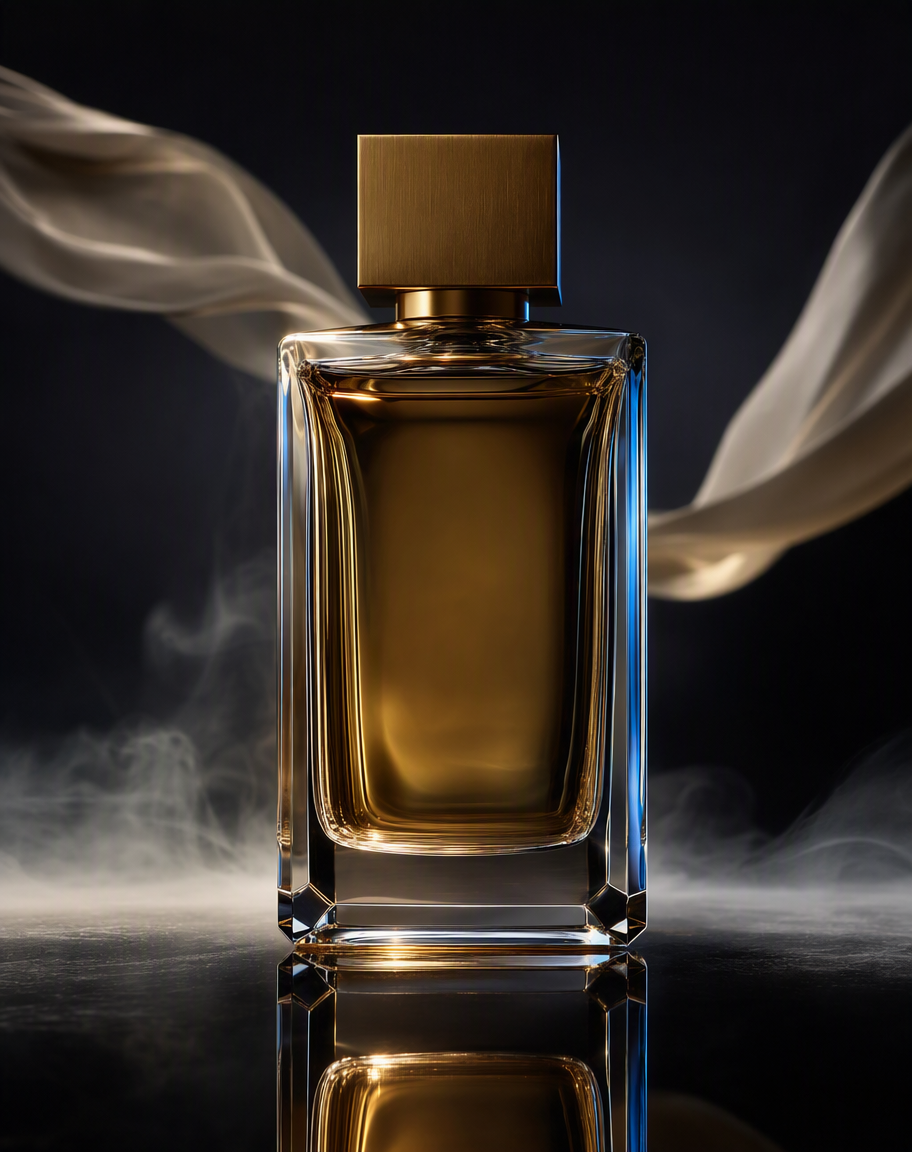
Qué hace: el objeto no se mueve un milímetro. La tela ondea por detrás, el humo rueda bajo hacia la cámara y la luz respira a través del cristal.
Cuándo usarlo: necesita humo, tela o niebla en la foto base. Si no los tiene, genéralos primero en la imagen y después anímala. Es el movimiento de lujo: perfumes, joyería, relojes, licores, cosmética premium. Todo lo que se vende por sensación y no por ingrediente.
Ver el prompt completo ↓Plegar el prompt ↑
$ The perfume bottle in the centre of the frame stays completely still and locked in place, perfectly sharp, in exactly the same position and at exactly the same scale for the entire shot. It does not rotate, it does not tilt, it does not drift. Its faceted glass edges, its gold cap and its proportions never change.

What moves is everything around it. The length of ivory silk behind the bottle billows slowly and continuously through the air in true slow motion, its folds turning over and rippling as it travels from left to right, always staying behind the bottle and never touching it. The low veil of pale grey smoke on the black stone rolls forward toward the camera in soft curls, thinning and thickening as it moves. Fine dust particles drift upward through the beam of light.

Inside the glass, the amber liquid is perfectly still, but the caustic light it casts on the stone shimmers and breathes very slightly as the smoke passes through the beam.

The camera performs one single, extremely slow, continuous push-in — barely perceptible across the whole shot. No cuts, no pans, no shake, no rack focus, no orbit.

The lighting stays constant. The hard key light from the upper left and the cool rim on the right never change intensity.

Photorealistic luxury fragrance commercial, cinematic slow motion, shallow depth of field, accurate glass refraction. No text, no captions, no subtitles, no logos or graphics anywhere in the frame.4. La luz que barre
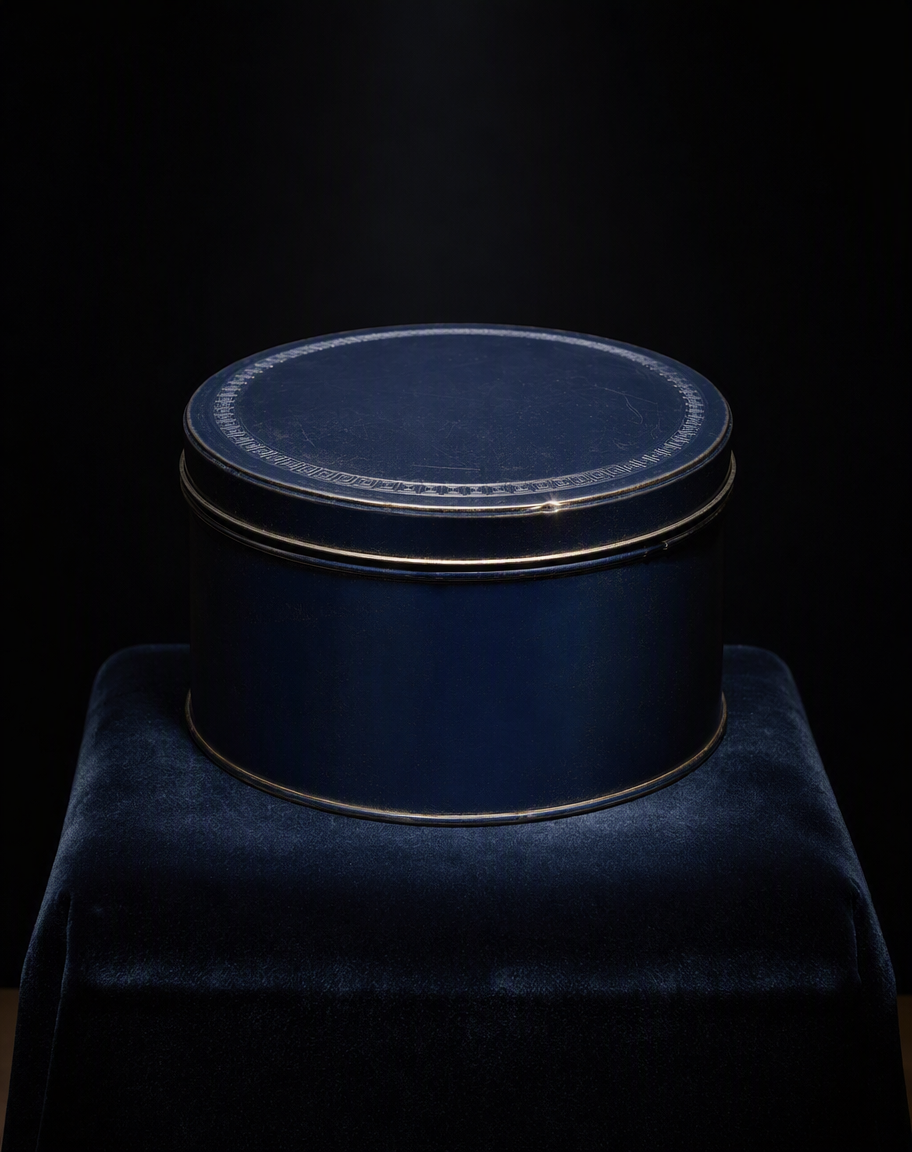
Qué hace: nada se mueve, ni el objeto ni la cámara. Solo un haz de luz cálido lo recorre de lado a lado, y las sombras giran con él.
Cuándo usarlo: es el único de los cinco donde ni el objeto ni la cámara se mueven, así que es el de menor riesgo de deformación después del push-in. Ideal para superficies con brillo: metal, vidrio, cerámica, esmalte, terciopelo, cuero. Empaques de lujo, latas, frascos, herrajes, envases metalizados.
Ver el prompt completo ↓Plegar el prompt ↑
$ The round blue enamel tin and the camera are both completely locked. The tin does not move, does not rotate, does not tilt at any point. The camera does not move at all: no push-in, no pan, no shake. The framing is identical from first frame to last.

The only thing that moves is the LIGHT. A single warm beam, like a jeweller's display lamp slowly passing, sweeps gradually from the left edge of the frame to the right across the tin. As it travels: the specular highlight glides across the curved enamel surface, the embossed border on the lid catches and releases tiny glints one by one, the soft shadows on the velvet rotate slowly around the base, and the velvet itself brightens where the beam lands and falls back into darkness after it passes.

The sweep takes the entire duration of the shot — slow, continuous, elegant, one single pass. The background stays deep black throughout.

Photorealistic luxury product cinematography, constant camera, physically accurate light behaviour on metal and velvet. No text, no captions, no subtitles, no logos or graphics anywhere in the frame.5. La gota
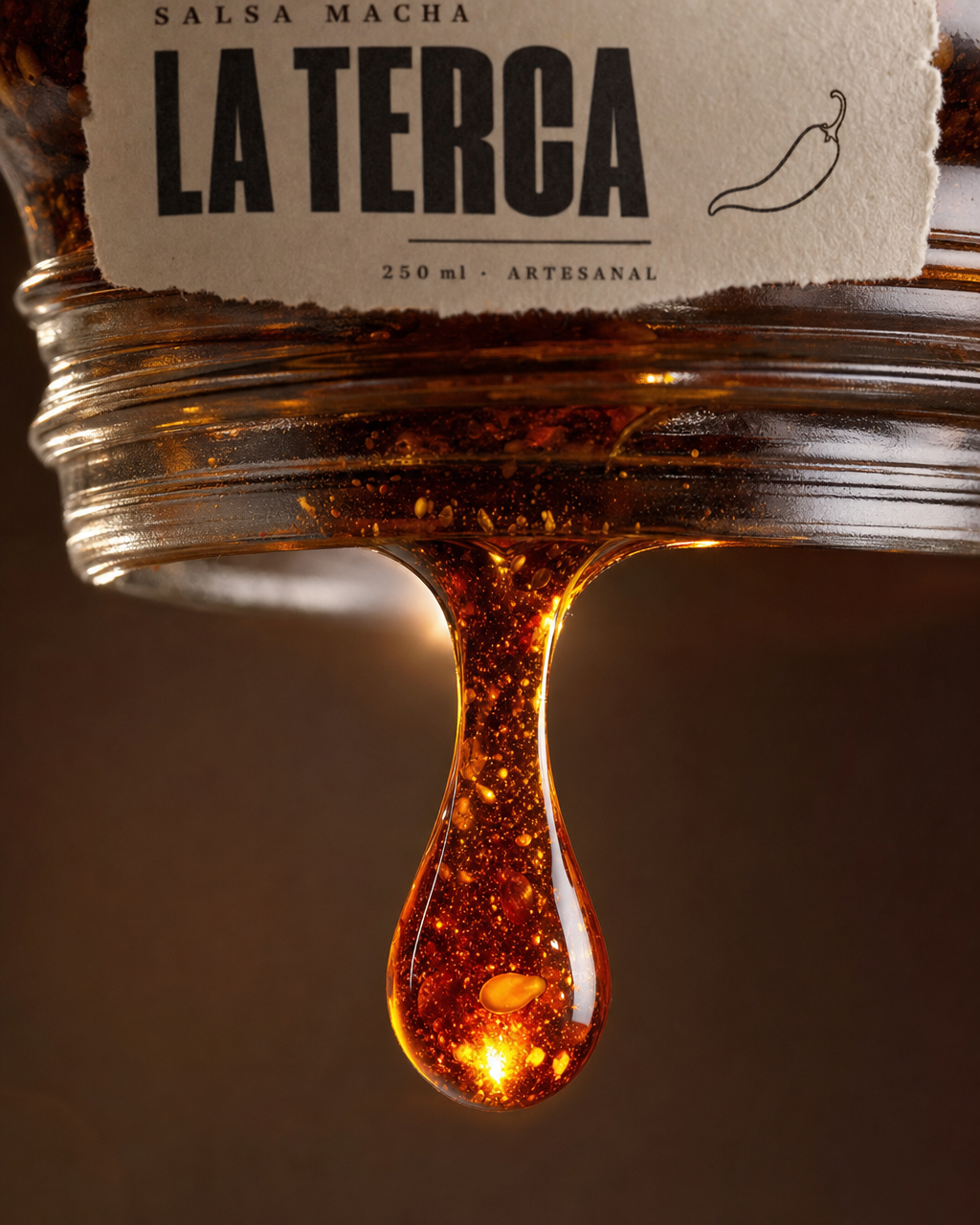
Qué hace: todo congelado menos la gota: se estira, se suelta y cae en cámara lentísima. El foco clavado en ella, el fondo quieto.
Cuándo usarlo: para líquidos y comida, y solo si partes de un macro con la gota ya formada y congelada en la foto. Miel, aceite, salsas, bebidas, chocolate derretido, sueros y cremas. Es el más goloso de los cinco y el que más se detiene a ver la gente.
Ver el prompt completo ↓Plegar el prompt ↑
$ Extreme macro, cinematic super slow motion. The heavy glossy drop of chili oil hanging from the rim of the jar slowly stretches downward, its thread of oil thinning, until it finally detaches and falls out of the bottom of the frame in true slow motion. As it detaches, a fine filament of oil snaps back toward the rim and settles.

Everything else in the frame is completely frozen: the jar and its rim do not move a millimetre, the label does not change, the dark bokeh background stays constant, the camera is absolutely locked. No cuts, no pans, no push-in, no focus changes — the razor-thin plane of focus stays exactly on the drop.

The light stays constant: the backlight keeps making the drop glow from within as it stretches and falls, and the tiny specular highlights slide slowly along the surface of the oil as it deforms.

Photorealistic macro food cinematography, 1000 fps look, constant exposure. No text, no captions, no subtitles, no logos or graphics anywhere in the frame.El negative prompt (va en los cinco)
Si tu herramienta tiene campo de negative prompt, pégale esto siempre. Es la mitad del trabajo: no le describe qué hacer, le prohíbe justo lo que sale mal.
$ on-screen text, captions, subtitles, watermark, product rotating, product tilting, product moving, morphing label, changing text, distorted typography, camera shake, cuts, zoom out, flickering exposure, added logosCómo adaptarlo a tu producto
Los prompts no se reescriben. Solo cambias tres cosas:
- El nombre del objeto. Donde dice
the glass jar of chili oil,the perfume bottleothe round blue enamel tin, pon el tuyo con dos o tres palabras concretas:the matte black serum bottle,the ceramic coffee mug,the leather wallet. - La descripción literal de tu etiqueta. Es lo que impide que el modelo la reescriba. Nómbrale el texto grande, el texto chico y cualquier dibujo o símbolo, con las palabras exactas que aparecen en tu envase.
- Lo que rodea al producto. En gravedad cero, cambia los chiles y cacahuates por tus ingredientes. En la atmósfera, cambia la seda marfil por lo que haya en tu foto. Si le nombras algo que no está en la imagen, el modelo lo inventa mal.
Lo que NO se toca: los bloques de "no rotates, no tilts, no drifts", el "one single extremely slow continuous push-in", y la línea final de "no text, no captions, no subtitles, no logos". Esos son el sistema. Si los recortas para ahorrar texto, se degrada justo esa parte del resultado.
Lo que hay que cuidar
Esto es lo medido en la práctica, no lo que dice el manual del modelo:
- Si el producto tiene etiqueta con texto, corta el clip en el segundo 6. A partir de ahí el modelo empieza a reescribir las letras: a nosotros nos convirtió ARTESANAL en ARTSSANAL. El texto chico se rompe antes que el grande —el nombre grande de la marca aguantó los 8 segundos completos y la línea chica no—. Sin texto a la vista, el clip aguanta los 8 completos.
- Movimiento lento y cámara casi quieta, siempre. Cualquier giro que muestre la etiqueta en ángulo la destroza. No hay prompt que salve un producto que rota.
- El modelo reencuadra más cerca de lo que le des, aunque se lo prohíbas. Deja aire alrededor del producto en tu foto base y da por hecho que el clip va a entrar un poco.
- Veo solo entrega 16:9 y 9:16. No hay 4:5 ni 1:1. Para publicar en 4:5 el truco es:
mete tu foto de 1080×1350 centrada en un lienzo negro de 1080×1920, genera en 9:16, y
recorta de vuelta la ventana central. En ffmpeg, el recorte exacto es
crop=1080:1350:0:285. El encuadre queda idéntico al de tu foto. - El primer fotograma es la miniatura que se ve en el feed. Haz que el instante inicial ya sea legible y bonito, porque es lo único que ve quien no da play.
- La luz que barre puede "inventar" detalle en superficies lisas cuando el haz las revela: a nuestra lata le apareció un grabado que no existía en la foto. Revísalo cuadro por cuadro. En objetos con relieve real no pasa.