Guía · Audiovisual · Básico · Aprendizaje
Ángulos de cámara para tus avatares de IA (10 tomas)
Los 10 ángulos de cámara que todo creador debería conocer, con el prompt listo para copiar de cada uno en Google Flow + Nano Banana Pro.
¿Qué es esto y cómo lo uso?
Una guía paso a paso. Síguela de arriba hacia abajo desde tu celular; no descargas nada.
Objetivo
Diez ángulos de cámara —nivel de ojos, picado, contrapicado, primer plano, plano general y más— con el prompt listo para copiar de cada uno, para darle variedad cinematográfica a tu avatar de IA. Solo subes tu foto y pegas el prompt.
Lo que necesitas antes de empezar
- Una selfie tuya o la foto de un avatar de IA (si aún no tienes tu avatar, créalo primero).
- Una cuenta de Google Flow — la herramienta de Google que genera las imágenes. El modelo Nano Banana Pro es gratis.
Cómo se usa
Entra a Google Flow, inicia una generación nueva con Nano Banana Pro, sube tu foto como entrada y pega el prompt del ángulo que quieras. Cada ángulo cuenta algo distinto: úsalos para darle variedad cinematográfica a tu personaje sin cambiar de cara.
1. Nivel de ojos (Eye-Level)
Cámara a la altura de los ojos, de frente. El más natural y equilibrado — como cuando miras a alguien de tú a tú.
$ Hyperrealistic photograph. Camera positioned at exact subject eye level, lens parallel to the ground, neutral horizon line, zero vertical tilt. Straight-on frontal perspective creating natural, balanced framing with no distortion. Standard 50mm lens, subject centered, direct line of sight. Photorealistic depth, natural perspective compression.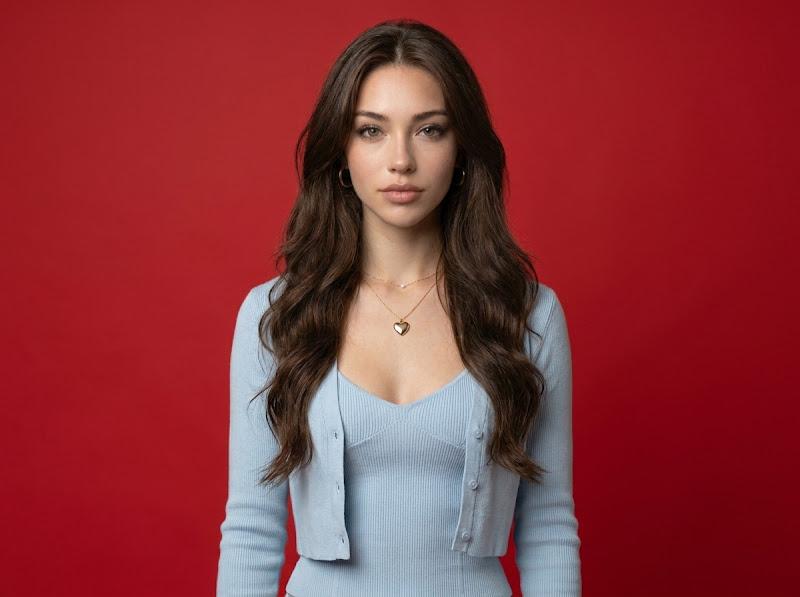
2. Picado (High Angle)
Cámara por encima, mirando hacia abajo (30–45°). Hace ver al sujeto más pequeño y comprime la escena.
$ Hyperrealistic photograph. Camera elevated above the subject, angled downward at roughly 30–45 degrees, lens tilting toward the ground. Downward-looking perspective that compresses the scene and makes the subject appear smaller. Horizon high in frame, converging vertical lines. Photorealistic, natural lighting, wide dynamic range.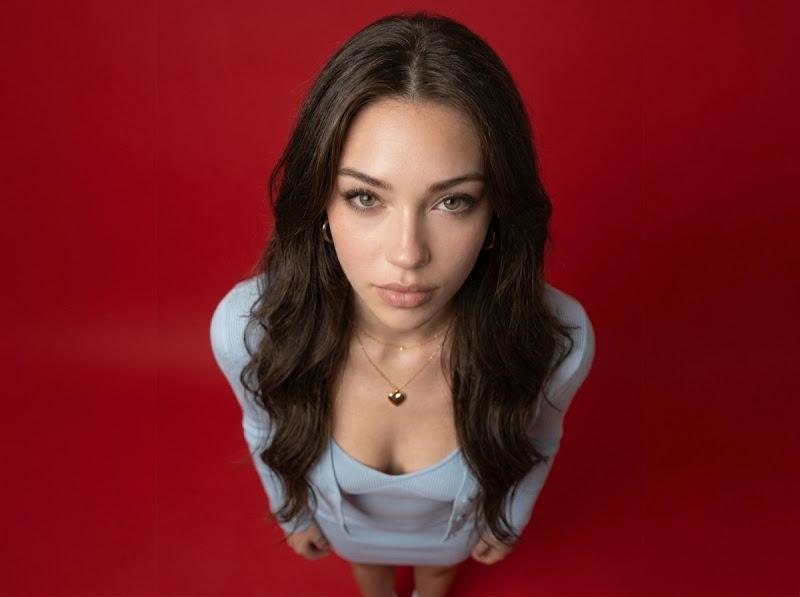
3. Contrapicado (Low Angle)
Cámara baja, mirando hacia arriba. Da poder y presencia: el sujeto se ve alto e imponente.
$ Hyperrealistic photograph. Camera positioned low, near knee height, tilting upward toward the subject. Upward-looking perspective that emphasizes height and dominance, with sky visible above. Vertical lines diverge, horizon sits low in frame. Photorealistic detail, dramatic upward foreshortening, natural lighting.
4. Primer plano (Close Up)
Encuadre cerrado con el rostro llenando el cuadro. Íntimo, muestra la emoción y el detalle.
$ Hyperrealistic photograph. Camera positioned near the subject at eye level, tight framing filling the frame with the face. Short subject distance, intimate perspective, shallow depth of field with soft background. 85mm portrait lens, minimal distortion. Photorealistic skin detail, natural lighting.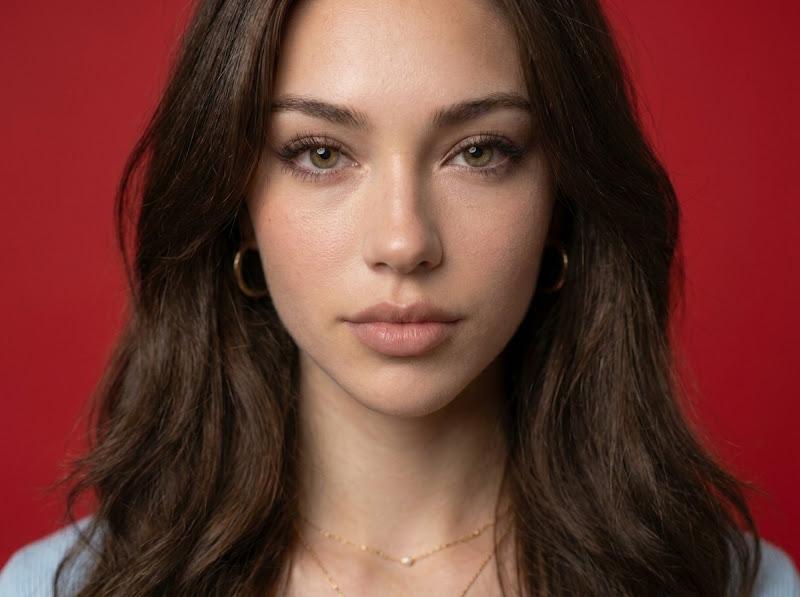
5. Plano general (Wide Shot)
Cámara lejana que muestra a la persona dentro de su entorno. Da contexto y escala.
$ Hyperrealistic photograph. Camera positioned far back at eye level, wide framing showing the full subject within the surrounding environment. Large field of view, expansive perspective, subject occupying a modest portion of frame. 24–35mm lens. Photorealistic, deep depth of field, natural light.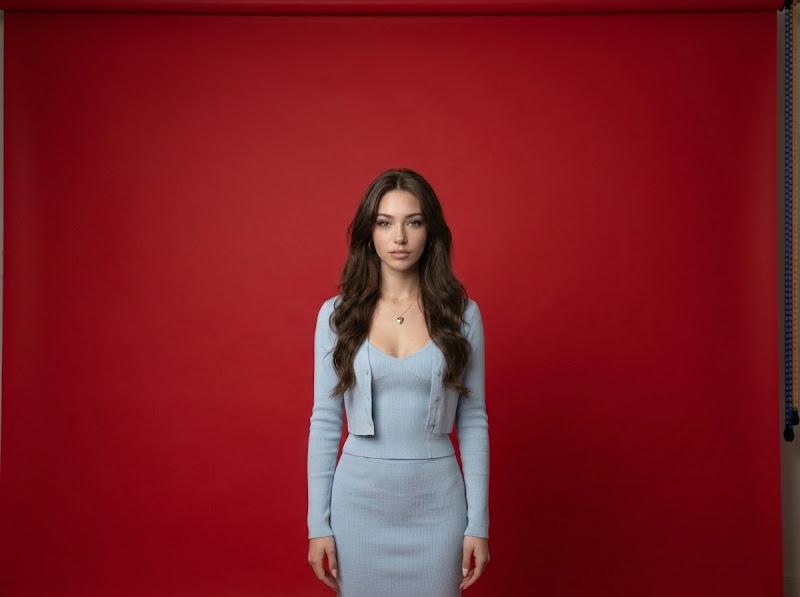
6. Perfil / lateral (Side Angle)
Cámara al costado, perfil de 90°. Muestra la silueta y la línea del rostro de lado.
$ Hyperrealistic photograph. Camera positioned to the subject's side at eye level, capturing a full 90-degree profile perspective. Lateral line of sight, side-on framing showing the subject's silhouette in profile. Photorealistic, natural lighting, clean profile perspective, shallow depth of field.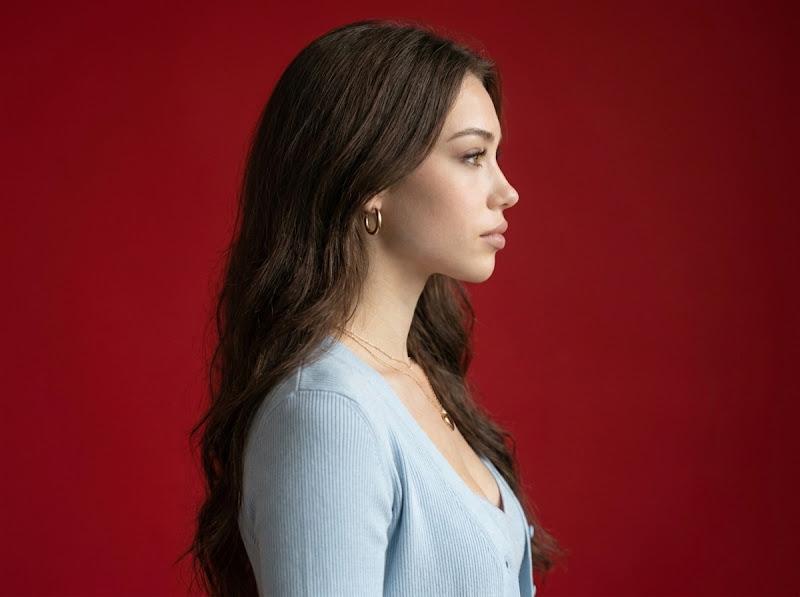
7. Inclinación hacia arriba (Tilt Up)
Cámara baja inclinada fuerte hacia arriba. Los elementos se ven imponentes, con líneas verticales que convergen.
$ Hyperrealistic photograph. Camera at low-to-mid height angled sharply upward, lens tilting toward the sky along a strong vertical axis. Upward-tilting perspective with pronounced vertical convergence, elements towering above the lens. Photorealistic, dramatic upward view, natural sky lighting.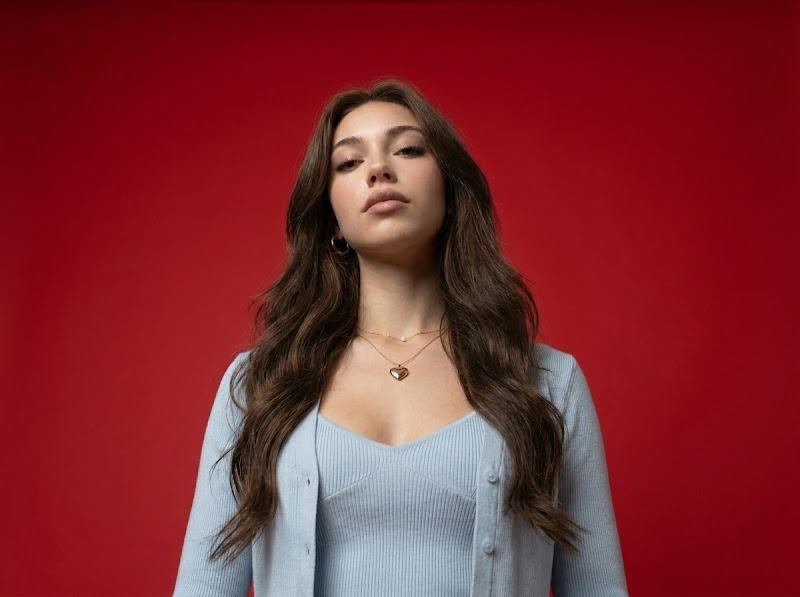
8. Sobre el hombro (Over-the-Shoulder)
Cámara cerca, detrás de un hombro. Perspectiva de conversación/POV: el hombro grande y suave en primer plano, el rostro nítido al fondo.
$ Hyperrealistic photograph. Camera positioned close behind one shoulder, tight over-the-shoulder framing with the subject's face filling the far plane. Foreground shoulder large and soft, subject sharp and near. Compressed intimate perspective, shallow depth of field. Photorealistic, natural lighting.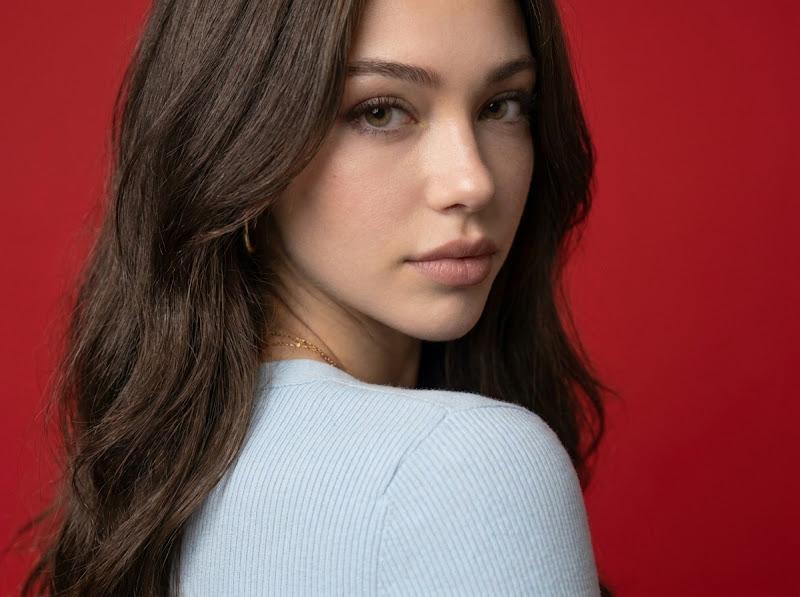
9. Inclinación hacia abajo (Tilt Down)
Cámara media-alta inclinada hacia abajo. Mirada descendente, con líneas verticales que convergen abajo.
$ Hyperrealistic photograph. Camera at mid-to-high height angled downward, lens tilting toward the ground. Downward-tilting perspective with vertical lines converging below, subject viewed from a gently descending angle. Photorealistic, natural lighting, soft downward foreshortening, shallow depth of field.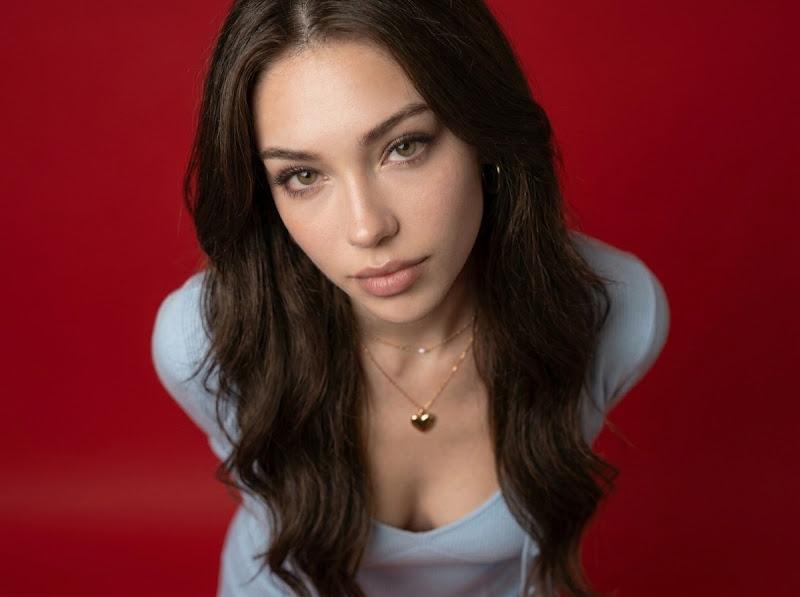
10. Vista de espaldas (Back View)
Cámara justo detrás del sujeto, a nivel de ojos, mirando en la misma dirección que él. Da misterio y sensación de "seguirlo".
$ Hyperrealistic photograph. Camera positioned directly behind the subject at eye level, framing the back. Rear perspective looking in the same direction the subject faces, horizon at eye level. Straight-on posterior vantage. Photorealistic, natural lighting, deep depth of field, balanced framing.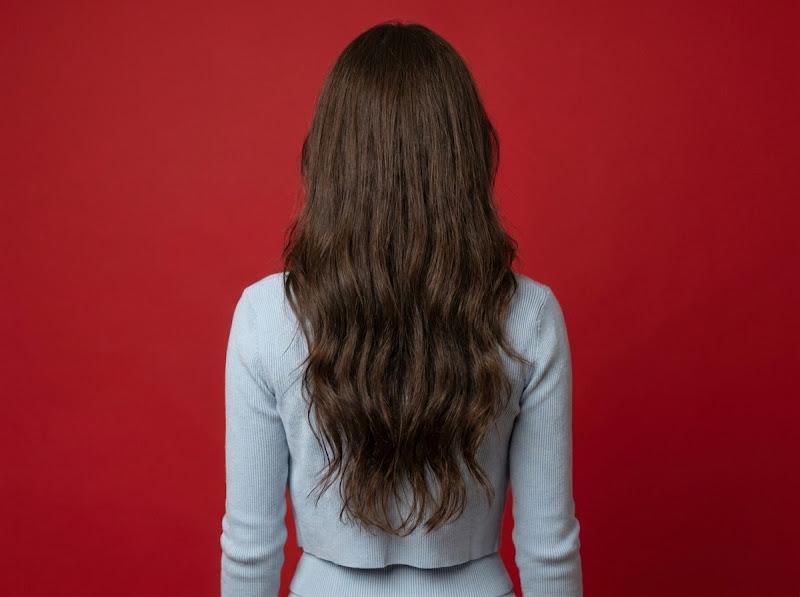
Para qué te sirve
Tener estos 10 ángulos a la mano te da variedad cinematográfica con el mismo personaje: cambias la sensación de cada toma sin cambiar de cara. Combínalos en un mismo video o carrusel para que se vea producido, no plano.